
Mold Remediation
Mold remediation is the process of containing, removing and cleaning mold growth, then fixing the moisture problem that caused it.
See mold remediationGet a plan for growth around vents in Arcadia. It should cover containment, cleaning, drying and moisture correction.
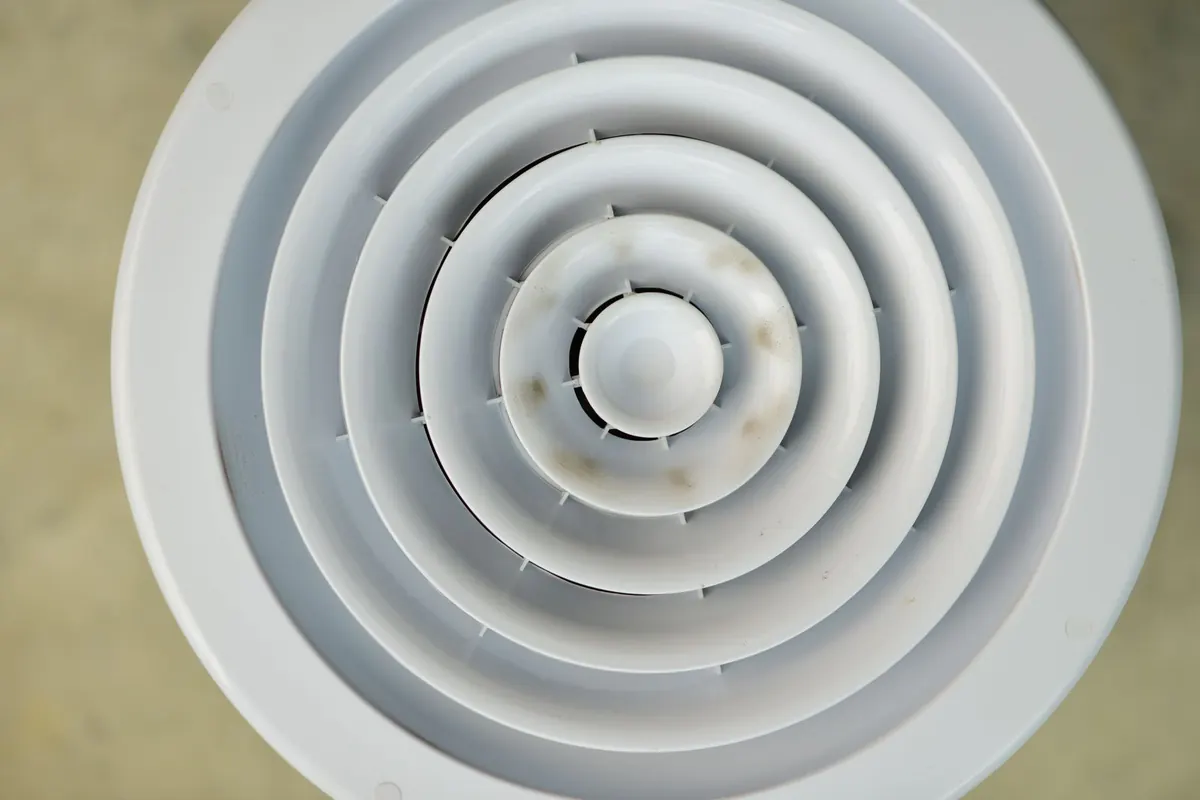
Moisture correction and cleaning of system parts make up this work.
Ducts and equipment such as the air handler, coil, condensate line or drain pan may be affected. An inspection determines whether a visible spot is dust or mold growth.
A containment barrier, drying and HEPA filtration may be necessary. The written scope of work should name affected materials, methods and repairs.

Look for the affected ducts, insulation, equipment and vents in the scope, followed by a separate repair section.
Use an independent assessor for clearance testing before restarting the system.
Find out how checks will cover the condensate drain, pan, seams and coil. The scope should assign repairs.
Find out where negative air pressure and containment will be set up, plus how clean registers will stay protected.
Look beyond the visible area to nearby material, the equipment and any ductwork connected to it.
Risk cannot be determined from color. Inspect porous surfaces and the affected area around the water source.
Hidden moisture can appear as spots on a register. Check nearby drywall for dampness, water stains and peeling paint.
Mold growth may continue beyond a single opening. Duct material determines whether cleaning or replacement makes sense.
Standing water, clogged drainage or leaking air may keep the coil and cabinet damp.
Avoid possible mold and switch off the equipment involved.
Call (844) 352-3560For HVAC mold, Fixr lists air ducts at $3,000 to $10,000 and mold in vents without duct involvement at $100 to $500 depending on scope. For air ducts, Bob Vila lists $600 to $2,000 as its range. Each figure is not a quote.
These ranges come from published national cost guides, not from a site visit. Your property price is set after an on-site assessment and should be explained before work starts.
Ask about cost: (844) 352-3560Insurance may cover mold after sudden water damage if the event is covered. Common exclusions include slow leaks and neglected maintenance. A mold sublimit may apply.
Payment depends on why the unit became wet. A sudden leak may be treated differently than repeated condensation.
Under California's housing law, visible mold found by a health officer or code enforcement officer can make a rental substandard. Renters can contact their local health or code enforcement department to ask for an inspection. Keep photos and maintenance messages about vents and leaks.
Report promptly. Check coverage, sublimits and inspection needs before removal.
California's Toxic Mold Protection Act includes a landlord written-disclosure section (Health and Safety Code 26147). By its own wording it applies only after the state adopts mold exposure standards, and the state health department has said it could not set them. Retain your photos, repair details, readings and scope of work.
A complete plan includes inspection and containment, followed by cleaning, drying and verification after remediation.
The moisture and square footage check covers vents, the air handler and ducts with protective equipment ready.
Within poly sheeting, the air filtration device is a HEPA air scrubber running under negative air pressure.
Damp wiping and a HEPA vacuum clean mold from suitable non-porous surfaces. Antimicrobial treatment cannot substitute for cleaning.
Wet insulation, flexible duct or drywall may need tear out and replacement of materials.
After correcting the leak, dry out the cavities. Using duct sealing may stop condensation.
Dryness and cleanliness get checked during post-remediation verification. An independent assessor conducts clearance testing.

Call any hour. A HVAC and air duct mold removal specialist takes your call, discusses what you see and outlines what comes next.
Contamination may spread through moving air and concealed components.
Mold spores can enter the air from open ducts. Negative air pressure and poly sheeting help shield occupied areas.
Flexible ductwork and insulating material can harbor growth. Replacement may be necessary for material that cleaning cannot restore.
You can use a moisture meter to identify concealed wet material behind an apparently dry register.
Can you clean it yourself? EPA says homeowners can often clean areas smaller than about 10 square feet. Sewage, contaminated water or HVAC involvement means you should seek experienced help.
Timing varies with system access, required moisture repairs and replacements. Inspect before scheduling.
Musty odor may suggest mold or damp dust inside vents, but smell by itself cannot find the growth or get rid of it.
Indoor relative humidity belongs under 60 percent, ideally in the 30 to 50 percent range, according to EPA. Do not use a dehumidifier as a substitute for fixing moisture.

California has no state license or certification for mold assessors or remediators, according to the California Department of Public Health. General construction work above a small dollar amount does need a license from the Contractors State License Board (CSLB), so it is worth checking a contractor's license there and asking about their mold training. Ask whether mechanical repairs or rebuilding require permits.
EPA guidelines warn that affected equipment could carry mold throughout a building. Keep equipment turned off.
EPA says to dry water-damaged areas and items within 24 to 48 hours to prevent mold growth. The water problem also needs repair.
The California Department of Public Health (CDPH) Air Quality Section publishes mold and dampness guidance and a mold FAQ. CDPH says visible mold, dampness, and mold odor are unhealthy and should be fixed, and that routine mold testing is not needed when mold is visible. No federal threshold has been set for mold levels indoors. Check your local requirements.
The full HVAC and air duct mold removal guide covers what is cleaned or removed, odor and air quality work, and the rules that apply in California.
Read the full HVAC and air duct mold removal guide
Local humidity and housing, along with access to your property, can influence mold cleanup planning, moisture control and containment.
With a renter share of 42 percent, written notice to the owner matters when a plumbing leak or roof problem leaves drywall, flooring, or insulation wet.
Housing around the 1965 median may include enclosed cavities and older insulation, which can hold moisture and expand the area that needs mold removal.
With a 67 percent single-family share, local buildings vary, and the moisture path may run through an attic, foundation, neighboring unit, or common pipe.
With 16 percent of seniors living alone, regular checks under sinks and around ceilings can still help reveal moisture before mold spreads behind materials.
Your call can include questions about mold cleanup availability in close-by communities and ZIP codes.
Mold remediation is the process of containing, removing and cleaning mold growth, then fixing the moisture problem that caused it.
See mold remediation
Growth concealed above ceilings, below floors or inside walls is found and removed during hidden mold remediation.
See hidden mold remediation (behind walls)
This service pairs a mold inspection with removal, so the crew finds where mold is growing and then cleans it out.
See mold inspection and removal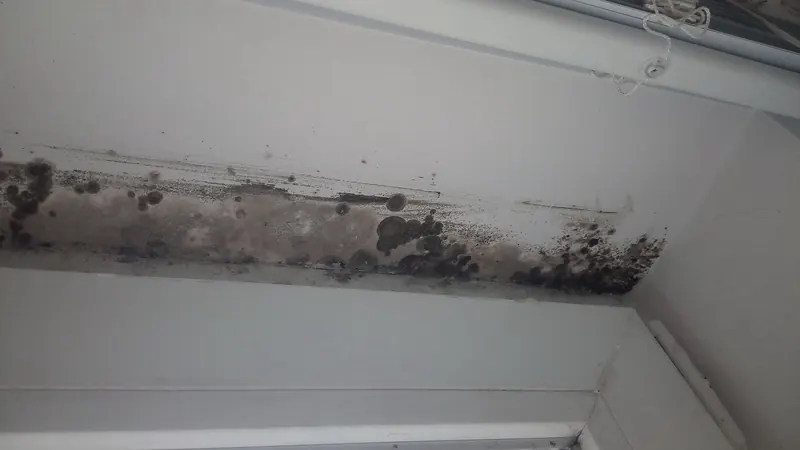
Mold from window condensation and high humidity on walls or ceilings is removed, and the steps for reducing moisture are explained.
See humidity and condensation mold
Water damage mold cleanup clears growth left by flooding or a leak, then dries the building materials to prevent a return.
See water damage mold cleanup
Wall and drywall mold removal cuts out and replaces mold-damaged drywall and cleans the framing inside the wall.
See wall and drywall mold removal
After removal, mold clearance testing combines air sampling with visual examination to confirm cleanliness in the affected area.
See mold clearance testing
Learn how mold removal cost is shaped by factors including affected-area size, the materials present and repairs that may be necessary.
See mold removal costCommon sources include a clogged condensate line, an overflowing drain pan, condensation on cold equipment, a plumbing leak or damp wall material. If you remove visible growth but leave the moisture problem, mold may come back. Assessment should cover the connected equipment as well as the closet.
For reachable metal air ducts, cleaning can use HEPA vacuuming and surface methods. Porous duct liners, wet insulation or flexible ducts may require replacement. Correct the leak, high humidity or condensation so the components do not get damp again.
Payment varies with the moisture source, lease terms, building duties and insurance. Promptly tell your landlord or property manager, then retain photos and requests for maintenance. Ask whether the landlord controls shared ductwork and the air handler. Under California's housing law, visible mold found by a health officer or code enforcement officer can make a rental substandard. Renters can contact their local health or code enforcement department to ask for an inspection. Keep all replies with your records.
For mold remediation in air ducts, Fixr lists $1,000 to $5,000 as the range. Your scope varies with moisture repair, duct material and length, access, affected equipment, containment and replacements. Your system needs an inspection to select the relevant published cost category.
Color does not show how risky mold is. Mold, ordinary dirt and condensation debris can all appear as dark spotting. The useful questions are whether growth is present, where the moisture comes from and how far it extends. Avoid disturbing the area by scraping, and keep potentially contaminated equipment off.
Although a defined question may be addressed by air sampling, no federal limit exists for mold levels indoors. Visible conditions and moisture findings give context to the results. When clearance sampling is performed, an independent assessor should collect samples and interpret results.
You can get straightforward, reassuring guidance on HVAC and air duct mold removal by calling 24 hours a day.