
Mold Inspection
During a mold inspection, moisture readings and a visual check help show where growth is present and what feeds it.
See mold inspectionGet a home mold test tied to a clear decision in Arcadia. Start with moisture and use targeted samples when useful.
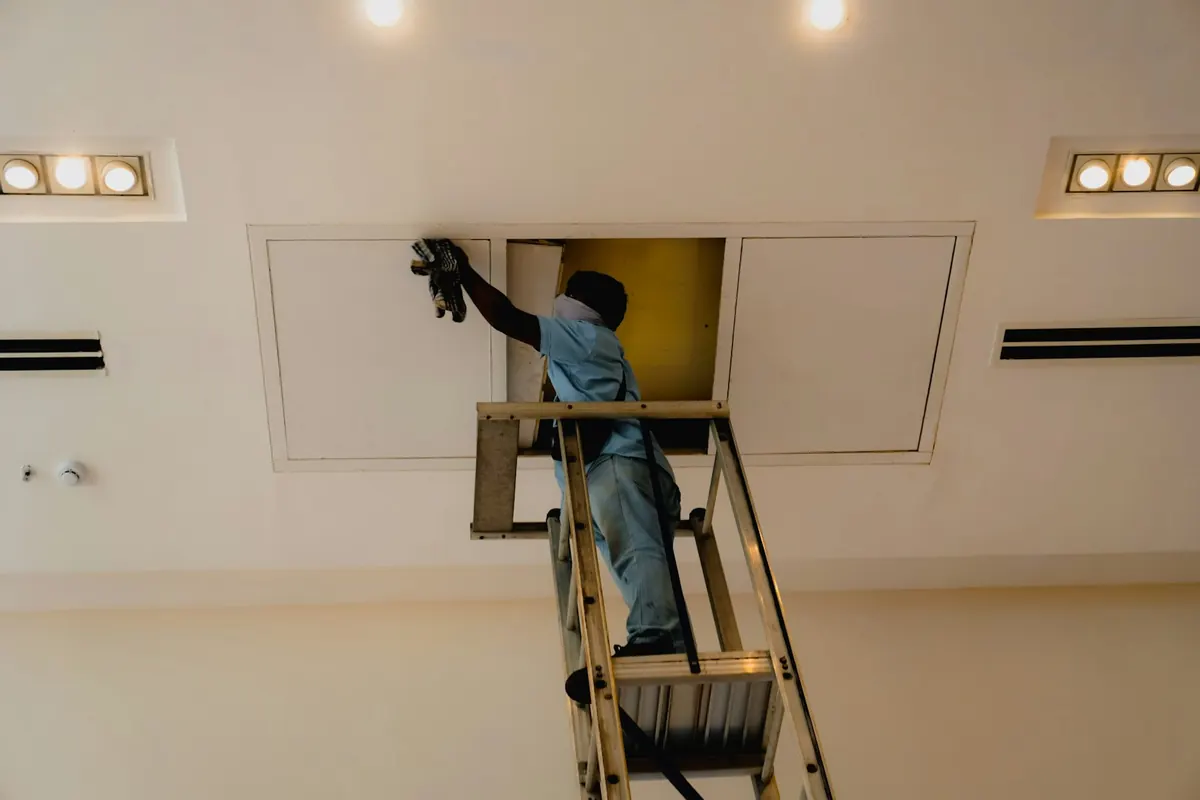
The plan comes from inspection, moisture mapping and focused sampling.
Your mold tester examines materials and searches for odor, growth and water damage. Use a moisture meter to note damp areas. Use a thermal imaging camera to guide checks, not to identify mold.
Mold air sampling can compare indoor air with a baseline collected outdoors. A pump gathers air through a spore trap. A swab or tape lift can collect surface material. Findings describe only the collected samples, not every cavity or a person's health risk.

Have an independent assessor perform post-remediation verification.
Find out how findings will shape removal and how the source will be located.
Every sample needs a defined question and a clear explanation of its limits.
Removal, containment, repair, cleaning and drying should all be defined in the report.
Sample when the result could affect the planned scope.
Look for moisture first. An air test can add context without a visible source, yet it cannot pinpoint growth behind walls.
Keep suspected HVAC equipment turned off. An inspection may find nearby materials, ducts and equipment that need attention.
The removal company should not perform the independent check for a clean, dry area.
Leaks can wet porous materials. Dry water-damaged areas and items within 24 to 48 hours to prevent mold growth. Do not wait for results to stop water.
Control the water when safe, and do not disturb the mold.
Call (844) 352-3560Fixr lists $50 to $700 for testing only overall, $500 to $700 for a mold air test, $150 to $200 for a stain test with air and surface samples, and $50 to $75 for an HVAC mold test. These figures are published guidance, not your quote.
Published national cost guides are the source of these ranges, rather than an inspection of your property. Before work begins, you should get an explanation of the property price determined through an on-site assessment.
Ask about cost: (844) 352-3560A policy-covered sudden water event may be eligible for coverage. Any mold sublimit and the remaining policy terms govern payment.
Under California's housing law, visible mold found by a health officer or code enforcement officer can make a rental substandard. Renters can contact their local health or code enforcement department to ask for an inspection. Retain messages about leaks and repairs, along with dated photos.
California's Toxic Mold Protection Act includes a landlord written-disclosure section (Health and Safety Code 26147). By its own wording it applies only after the state adopts mold exposure standards, and the state health department has said it could not set them. Keep your reports and repair paperwork together with moisture readings.
A burst pipe can be treated differently under a policy from maintenance neglect or a gradual leak.
Report damage without delay. Ask which records are needed and whether sampling, inspection and removal are eligible.
Inspect first, take purposeful samples next and finish with a report.
The assessor records moisture readings after checking odor, growth, porous materials and water intrusion.
A clear purpose is required for each indoor sample. A baseline can come from an outdoor air sample.
Use a calibrated pump to move air through the spore trap. Note both room conditions and location in the records.
Surface sampling collects one selected spot, not the entire building.
Depending on the method, lab results can include a spore count or mold types.
Materials, containment and moisture repair can be set in a written scope of work that guides the mold removal process.
Once drying, air movers and HEPA vacuum work are complete, an independent assessor checks before repairs begin.

Call any hour. Talk with a mold testing specialist about what you are seeing and the steps ahead.
Samples do not replace moisture correction or controlled removal.
Particles may be released during drywall removal. A containment barrier, poly sheeting, negative air pressure and a HEPA air scrubber help control dust.
Contaminated water and sewage require help from someone with relevant experience. Do not let sampling postpone safe removal.
Wet material in a crawl space, attic, basement or another lower level cannot be mapped by a kit.
Can you clean it yourself? EPA says homeowner cleanup is often possible for an area under about 10 square feet once the water issue is corrected. Get professional help for contaminated water, larger areas or HVAC involvement.
Use material condition and moisture, not color, to decide.

Property size, access, the number of samples and the lab schedule shape testing time. Continue controlling leaks and drying promptly.
A musty smell can indicate damp material without revealing its location through an indoor air quality test. Inspect visible materials and moisture first, then decide whether to sample.
According to EPA guidance, keep indoor humidity under 60 percent and ideally at 30 to 50 percent. A dehumidifier does not replace leak repair.
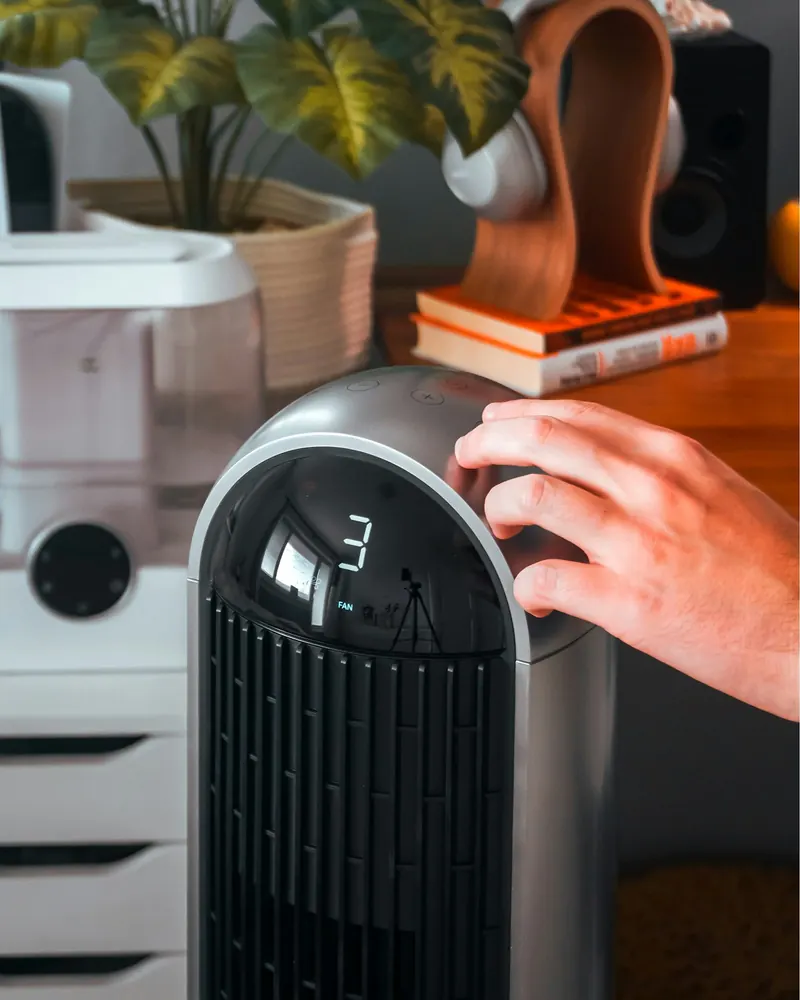
The full mold testing guide covers what is cleaned or removed, odor and air quality work, and the rules that apply in your state.
Read the full mold testing guideLocal housing, humidity and property access can shape moisture control, containment and mold cleanup planning.
With a renter share of 42 percent, written notice to the owner matters when a plumbing leak or roof problem leaves drywall, flooring, or insulation wet.
Housing around the 1965 median may include enclosed cavities and older insulation, which can hold moisture and expand the area that needs mold removal.
With a 67 percent single-family share, local buildings vary, and the moisture path may run through an attic, foundation, neighboring unit, or common pipe.
With 16 percent of seniors living alone, regular checks under sinks and around ceilings can still help reveal moisture before mold spreads behind materials.
During your call, ask whether mold cleanup is available in surrounding communities and ZIP codes.
During a mold inspection, moisture readings and a visual check help show where growth is present and what feeds it.
See mold inspection
After removal, mold clearance testing combines air sampling with visual examination to confirm cleanliness in the affected area.
See mold clearance testing
This service pairs a mold inspection with removal, so the crew finds where mold is growing and then cleans it out.
See mold inspection and removal
Mold remediation is the process of containing, removing and cleaning mold growth, then fixing the moisture problem that caused it.
See mold remediation
Removing surface and material growth, bagging items beyond saving and preparing the area for repairs are all part of mold cleanup.
See mold cleanup
Growth concealed above ceilings, below floors or inside walls is found and removed during hidden mold remediation.
See hidden mold remediation (behind walls)
Water damage mold cleanup clears growth left by flooding or a leak, then dries the building materials to prevent a return.
See water damage mold cleanup
Learn how mold removal cost is shaped by factors including affected-area size, the materials present and repairs that may be necessary.
See mold removal costPost-remediation verification belongs after removal, detailed cleaning and drying, but before repairs hide the area or containment comes down. An independent assessor can complete visual and moisture checks and collect planned samples. Before you close the area, make sure the moisture source has been corrected.
Your assessor first completes a visual inspection, checks water history and takes moisture readings. To answer a defined question, sampling may lift material from a surface or collect air in a spore trap. The findings should guide moisture correction, containment and removal instead of standing alone.
Not every time. When the moisture source is known and growth is visible, removal can often proceed without identifying the mold type. Sampling has more value when the affected area is uncertain, growth could be hidden, documentation is required or findings may alter the remediation protocol.
A properly collected sample describes what was captured in that place and time. It does not establish whether every cavity is clear and cannot predict an individual's response. Value also depends on interpreting moisture readings and visible evidence in light of equipment, conditions, planning and the laboratory method.
For testing alone, Fixr reports a total range of $50 to $700 overall. Cost varies according to access, laboratory timing, the number and type of samples, and reporting detail. Ask what each proposed sample can show and whether the scope includes inspection, interpretation and a written report.
No. Black mold and toxic mold are search terms, and color does not show how risky a mold may be. Although the lab can identify material from a sample, it cannot establish health effects. Concentrate on the moisture, affected materials and safe cleanup.
Calls about mold testing are answered 24 hours a day, so you can receive clear and practical guidance.